
 share
share
4 minute read
In this article:
If your construction lender is also going to be your take-out lender, have you actually checked that they want to be? It’s a question worth asking before you’re three stages into a project that’s outgrown its original lender.
The full lifecycle of property development finance is three distinct credit decisions:
Each has a different risk profile, lender appetite and failure point. Getting the structure wrong at any stage costs time, margin, or both. Here’s how we think about it, stage by stage.
Acquisition debt is short-dated and unsecured by anything productive, just the site. Deal timing rarely aligns with bank credit cycles, and a missing DA or unconventional title structure is often enough to trigger a decline rather than a conversation. Non-bank and private lenders assess the deal, not the checklist, which is usually the difference between securing a site and losing it to a cash buyer. See our land acquisition loans page for how we structure this.
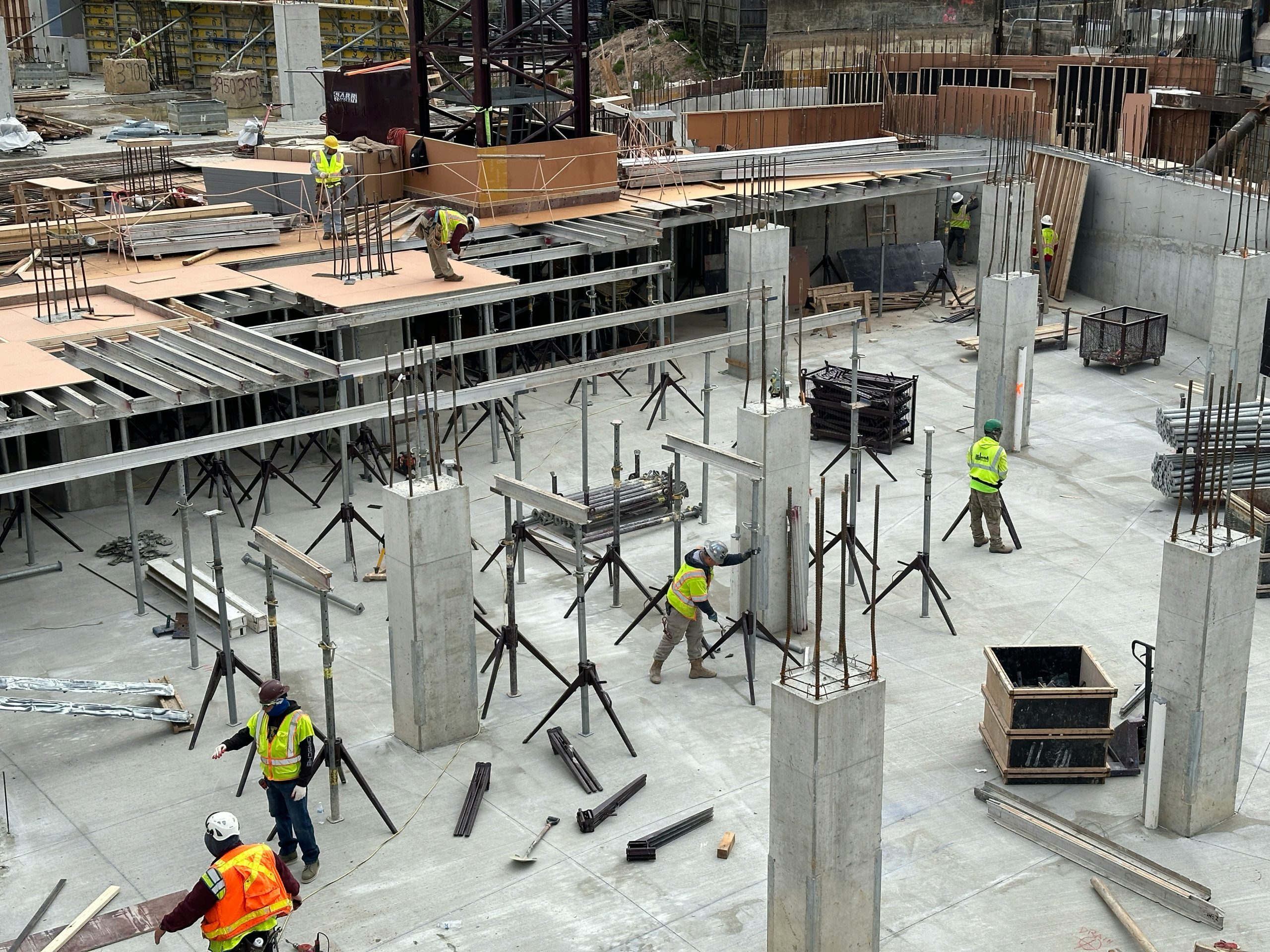
Construction facilities are drawn against milestones, which means the loan structure has to track the build program precisely, contingency, variations, and staged drawdowns included. This is where multi-stage projects, mixed-use sites, and anything without a fully locked fixed-price contract tend to fall outside standard bank policy. Our panel handles these on a case-by-case basis rather than a blanket no. More on development finance loans and construction loans here.
Post-completion, you’re either refinancing into a longer-term commercial facility to hold the asset, or you need bridging finance to cover the gap to settlement if you’re selling. Neither is a continuation of the construction loan, both require a facility built for what the asset does next, not what it took to build it. Details on our commercial property loans page.
Land-to-construction, construction extensions when a build overruns, or construction-to-hold once a project is de-risked, refinancing shows up at every transition point in the full lifecycle of property development finance. Each is a negotiating opportunity, but only with a lender or broker who understands why the refinance is happening, not just that it is. Read more on our refinancing page.
Land acquisition, construction, completion, and the refinancing that connects them — that’s the full lifecycle of property development finance in practice.
Working with a broker who understands the whole lifecycle, not just one piece of it, means you’re not starting from scratch every time your finances change. That’s how Zolve can help. We’re a commercial broker connecting developers and investors with non-bank and private lenders suited to each stage of a deal:
Our lender panel is large and independent (none affiliated with Zolve), which means we match the deal’s risk profile to the lender’s appetite rather than forcing a fit.
Major banks have kept tightening property development finance, and non-bank lenders have taken a growing share of the commercial credit market as a result. For most projects now, non-bank finance is the default starting point, not the fallback.
Acquisition, construction, completion — three credit decision points, one project. If you’re structuring finance across any of these stages, our team can talk you through what finance makes sense for where you are right now. Check our FAQs that cover common questions, or talk to a Loan Specialist directly.


 Previous article